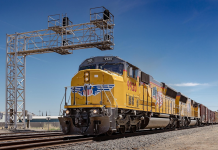
Union Pacific has submitted a revised application to the Surface Transportation Board for its proposed $85 billion acquisition of Norfolk Southern, setting up a major test of federal rail merger standards. AP reported that the STB rejected the companies’ initial application in January as incomplete, citing the need for more detail on competitive effects and customer impacts. The board has 30 days to decide whether to accept the revised filing before beginning a detailed review expected to last more than a year.
The proposed deal would reduce the number of major U.S. freight railroads from six to five and create a coast-to-coast freight rail operator. Union Pacific CEO Jim Vena has argued that the merger would reduce delivery times by one to two days for many shipments, shift 2.1 million truckloads from highways to rail, and save shippers $3.5 billion by eliminating handoffs between rail networks.
The transaction faces opposition from rival railroads, trade groups, and major shippers concerned about competition and supply chain costs. Critics, including BNSF and CPKC, argue the merger could reduce competition and raise rates for customers with limited rail alternatives. Union Pacific has pledged that the combined railroad will never control more than 50% of the Terminal Railroad Association of St. Louis, a move aimed at addressing concerns over key rail infrastructure.
The merger agreement includes a $2.5 billion breakup fee payable to Norfolk Southern if the deal falls apart, while Union Pacific may consider walking away if STB-required concessions exceed $750 million. Union Pacific has also promised lifetime job security for union employees working at either railroad at the time of the merger, and the company projects more than 1,200 new jobs by the third year after closing. The review will test the STB’s high bar for major rail mergers, which requires applicants to show that a transaction would enhance competition.