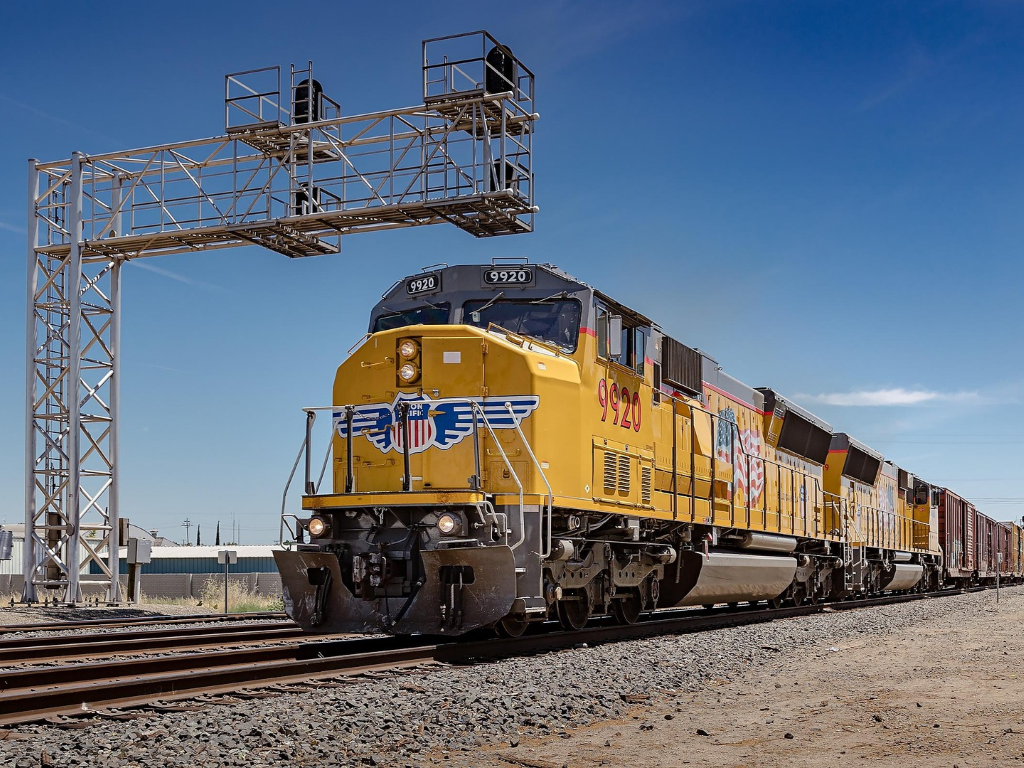
Federal transportation regulators have halted the review of the proposed $85 billion merger between Union Pacific and Norfolk Southern, altering the timeline for antitrust and regulatory clearance. According to a report by Quartz, the Surface Transportation Board accepted the companies' revised merger application but immediately placed all proceedings in abeyance. The federal body, which holds exclusive authority over railroad combinations, indicated that portions of the filing lacked sufficient clarity and detail regarding market competition. The regulatory pause pushes back the companies' initial goal of closing the transaction by April of next year, meaning a final decision may not arrive until September 2027.
The board has ordered both railroads to submit supplemental information by July 27 to address critical gaps in the application, forcing a total pause on concurrent environmental and economic reviews. Regulators are demanding specific technical disclosures regarding enhanced market competition, market share projections, and potential downstream impacts on the broader transportation sector. Once the required supplemental materials are received and vetted, the board will initiate a mandatory one-year evidentiary review followed by a three-month period to render a final public interest decision.
The regulatory delay has introduced significant uncertainty for institutional investors and industry stakeholders tracking the creation of what would be the nation's first coast-to-coast freight railroad. The proposed stock and cash transaction aims to combine the two entities into a unified network spanning more than 50,000 miles across 43 states, a layout that critics from rival carriers, labor groups, and business associations claim will damage competitive pricing for industrial shippers. While the Department of Justice can provide non-binding advisory opinions on the matter, the independent regulatory board maintains final approval power. According to regulatory filings, the board stated it needed the additional material to "thoroughly evaluate the application."