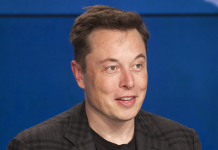
An administrative timeline defense has cleared the legal path for OpenAI to pursue its initial public offering, Yahoo Finance reported. A California jury cleared OpenAI CEO Sam Altman and President Greg Brockman of liability regarding allegations that they unjustly enriched themselves by transitioning the entity from a nonprofit to a for-profit business. Judge Yvonne Gonzalez Rogers of the U.S. District Court for the Northern District of California accepted the verdict, concluding a three-week trial because billionaire co-founder Elon Musk filed his claims outside the legal statute of limitations.
The defense victory accelerates a broader market race, as OpenAI positions itself to go public ahead of rival startup Anthropic, which is rumored to be planning an initial public offering by the end of 2026. Musk originally filed the lawsuit against Altman, Brockman, OpenAI, and investor Microsoft, asserting that his early financial contributions were contingent on the startup remaining a nonprofit. OpenAI attorneys successfully defeated the claims by arguing the deadline to sue had passed and presenting multiple witnesses who testified that Musk did not tie his donations to a permanent nonprofit structure.
The trial heavily targeted executive credibility, with Musk's legal counsel bringing up Altman's temporary 2023 ouster from the OpenAI board over candor concerns. Musk attorney Steven Molo focused on these integrity arguments during closing statements, telling jurors that "Sam Altman’s credibility is directly at issue in this case" and arguing that if they could not trust him, the defense could not win. Musk has stated on his social media platform X that he will appeal the decision to the 9th Circuit U.S. Court of Appeals, characterizing the verdict as a calendar technicality rather than a ruling on the case merits.