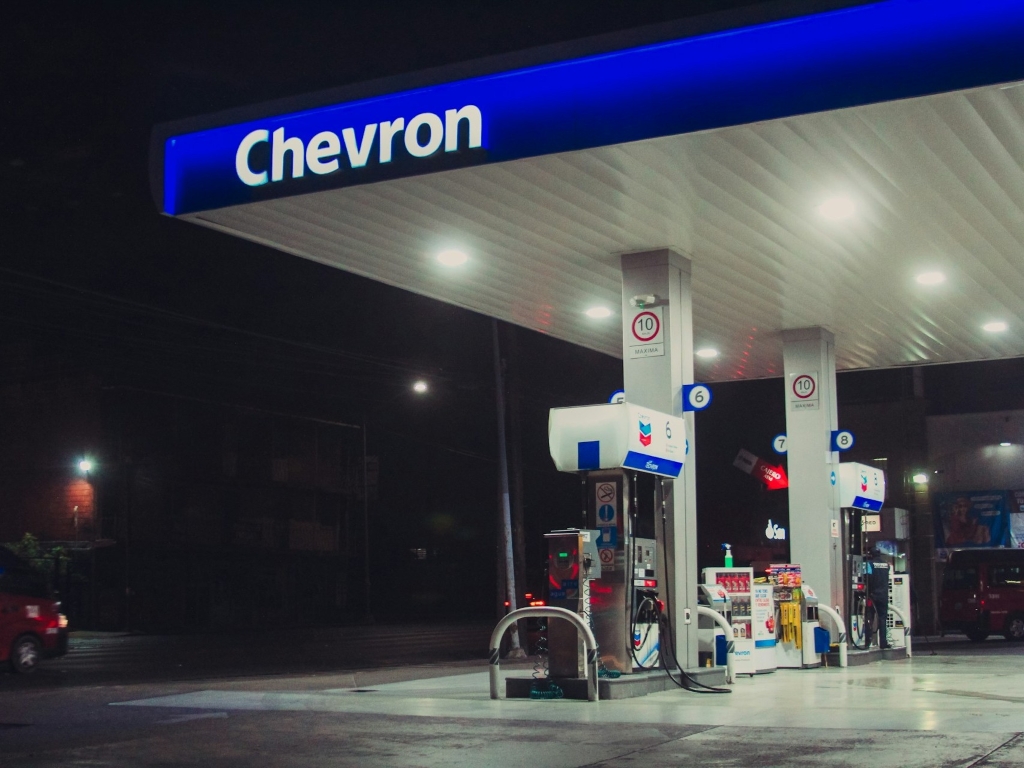
Chevron, the U.S.-based oil company, has been ordered to pay $744.6 million for environmental damage caused to Louisiana’s coastal wetlands. This landmark ruling, following a high-profile trial, is the first of several lawsuits targeting oil companies accused of accelerating land loss along the state’s vulnerable coastline. The verdict could set a significant precedent, potentially holding other energy firms accountable for similar environmental harm. The lawsuit, filed by Plaquemines Parish, blamed Chevron’s predecessor, Texaco, for decades of violations. Jurors found that Texaco had failed to restore wetlands damaged by dredging canals, drilling, and improper disposal of wastewater. This failure was deemed a violation of Louisiana’s coastal management laws, which require oil companies to restore impacted sites. Lead attorney for the plaintiff, John Carmouche, emphasized that no company should be allowed to ignore the law and evade responsibility for environmental damage.
Chevron has announced plans to appeal the ruling, arguing that it is not solely responsible for Louisiana’s land loss. The court awarded $575 million for land loss, $161 million for contamination, and $8.6 million for abandoned equipment. With interest factored in, the total restoration amount could exceed $1.1 billion. While Plaquemines Parish originally sought $2.6 billion in damages, this decision marks a significant step in holding oil companies accountable for their environmental impact. This case has broader implications for Louisiana’s ongoing environmental struggles. Over the past century, the state has lost more than 2,000 square miles of land, with oil and gas infrastructure identified as a major contributing factor. Chevron and other companies have long argued that the extensive levee system, rather than their operations, is the primary cause of coastal erosion.