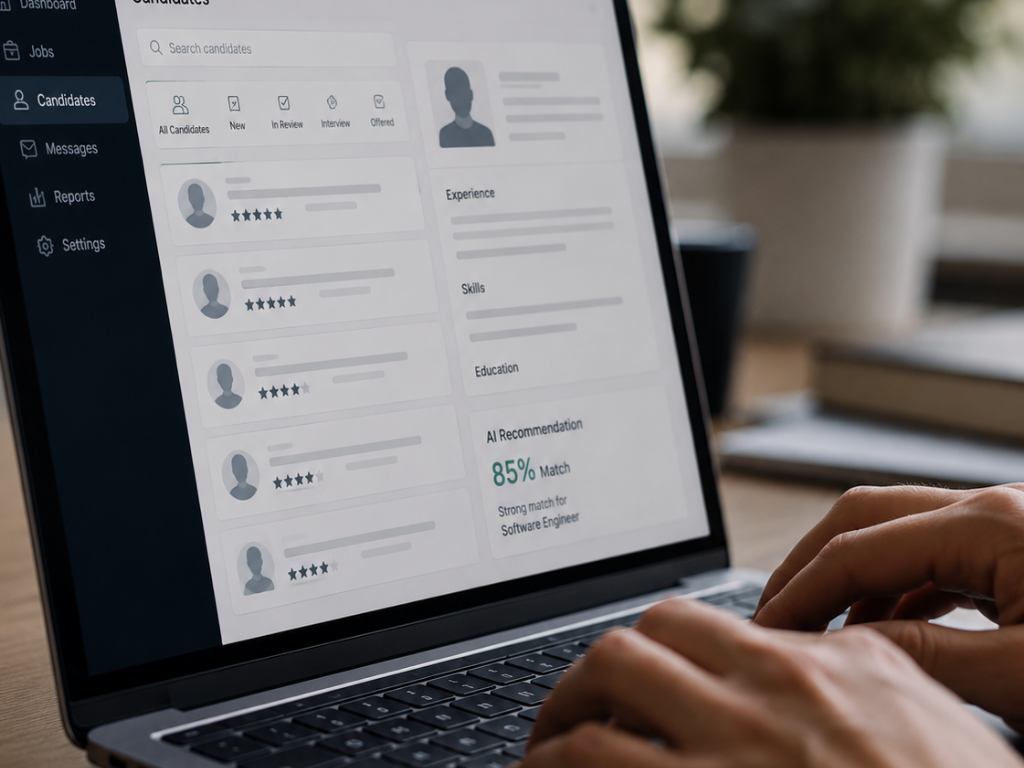
U.S. District Judge Rita Lin has signaled that California Fair Employment and Housing Act claims may move forward against Workday in a closely watched AI hiring discrimination lawsuit. The decision rebuffs Workday’s argument that California anti-discrimination law should not apply to out-of-state applicants and employers using its platform. By finding a sufficient connection to California through Workday’s design, development, and maintenance of its algorithmic screening tools, the court may expand potential liability for AI recruitment vendors whose systems influence candidate rejection.
The lawsuit, Mobley v. Workday, was filed by Derek Mobley, a Black disabled job seeker over 40 who was screened out of more than 100 positions. The suit alleges that Workday’s algorithmic screening tools discriminate based on race, age, sex, and disability by relying on historical data and statistical modeling. The platform allegedly replicates bias through proxy data points such as employment gaps or institutional affiliations. Enterprise recruitment competitor Eightfold faces a similar California class action lawsuit regarding its data practices.
Workday denies the allegations, stating its technology is designed to surface qualifications with human oversight. Workday Chief Responsible AI Officer Kelly Trindel noted that its AI "does not make employment decisions, automatically reject candidates, or determine who gets a job." A company spokesperson added that Workday’s tools evaluate qualifications rather than protected traits.
The ruling adds to scrutiny of automated applicant tracking systems and raises pressure on companies to document AI bias testing, human oversight, and vendor governance. Because algorithms can emulate historical biases embedded in past hiring data or cultural phrasing, validation of non-biased outcomes must become an active risk management practice.